

I've been tracking online gambling in Canada for years now, and 2026? It's different. Cryptocurrency went from this fringe payment thing to something that's actually reshaping how we gamble online. I've watched crypto casinos become the first choice for thousands of Canadian players who want faster payouts, better privacy, and—honestly—just a better experience overall.
This shift to digital currency isn't some passing fad. It's changing how Canadians gamble online in ways that feel permanent. Whether you've been playing for years or you're just curious about crypto gambling, I'll walk you through everything—how to play safe, how to win more, and how to navigate this space without getting burned.
Crypto casinos are gambling platforms that accept cryptocurrencies for deposits, bets, and cashouts. Simple as that. Instead of credit cards or bank transfers, they use blockchain tech to process transactions with Bitcoin, Ethereum, and a bunch of other digital currencies.
Here's what makes them different. When I deposit at a regular online casino, my money goes through banks, payment processors, maybe two or three middlemen—each one adding delays, fees, and privacy headaches. Crypto casinos? Transactions happen directly on the blockchain. No middlemen. Deposits hit almost instantly, and withdrawals are way faster.
The explosion in crypto casino popularity across Canada this year comes down to a few things. First, crypto adoption has hit levels we couldn't have imagined a few years back. Recent surveys show over 30% of Canadian adults now own digital currency. That familiarity removed the intimidation factor that used to keep people away.
Second, traditional banks have gotten hostile toward gambling transactions. Some Canadian banks just block casino payments outright now. Crypto casinos sidestep that entirely—you control your funds, period. No bank can interfere.
Third, the privacy angle. Cryptocurrency gives you anonymity that credit cards never could. Yeah, transactions are on public blockchains, but they're not tied to your personal identity the way Visa payments are. For players who value discretion, that matters.
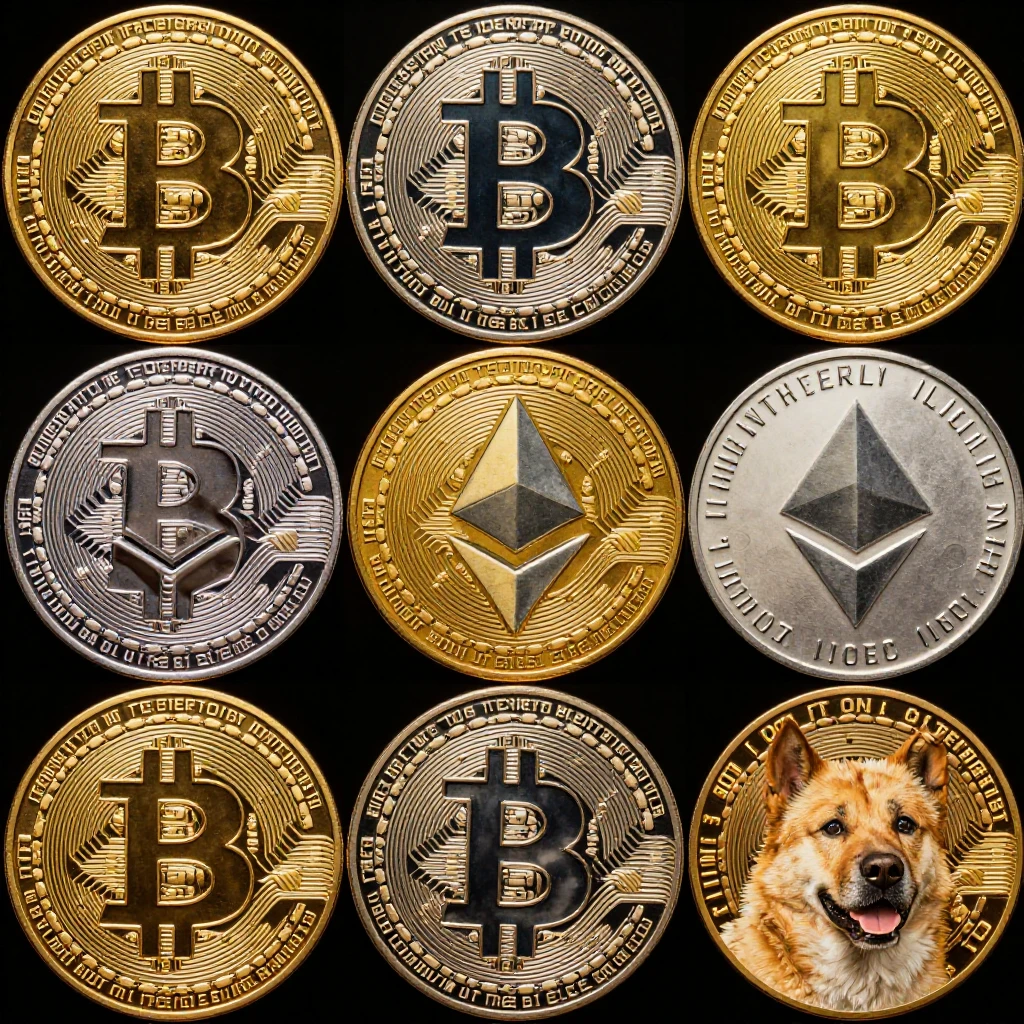
In 2026, the crypto options for Canadian casino players have grown like crazy. Bitcoin's still king, but several other currencies have carved out solid niches, each with their own perks.
Bitcoin (BTC) dominates—it's the most widely accepted crypto at online casinos, hands down. I like Bitcoin for its universal acceptance and solid security. Pretty much every crypto casino supports it. But transaction fees spike when the network gets congested, and confirmation times can stretch past 30 minutes. For big deposits and withdrawals, Bitcoin's still my pick because of its liquidity and relative stability.
Ethereum (ETH) comes in strong as second choice. Faster transaction speeds than Bitcoin, plus it supports smart contracts that enable provably fair gaming. Ethereum's gas fees can be unpredictable—sometimes they're fine, sometimes they're brutal—but recent network upgrades have made things more affordable for Canadian players.
Litecoin (LTC) gets called 'silver to Bitcoin's gold,' and I've found it hits a sweet spot. Transactions confirm in 2.5 minutes compared to Bitcoin's 10, and fees stay consistently lower. If you're making frequent deposits and withdrawals, Litecoin offers real advantages without compromising security.
Dogecoin (DOGE) started as a meme but became a legit gambling currency. Super low transaction fees and fast processing make it perfect for smaller bets and casual play. Plenty of crypto casinos now run Dogecoin-specific promos and tournaments.
Beyond these, stablecoins like USDT (Tether) and USDC (USD Coin) have gained traction among Canadian players who want crypto's benefits minus the price swings. These maintain a 1:1 peg with the US dollar—you can gamble without watching your bankroll's value bounce around with the crypto market.
Starting out might feel intimidating if crypto's new to you, but I'll break it down into steps anyone can follow. Take it one stage at a time, keep security front and center, and you'll be fine.
First step: acquiring cryptocurrency. Canadian players have solid options—major exchanges like Coinbase and Kraken, plus Canadian-specific platforms like Bitbuy and NDAX. I'd suggest starting with a reputable exchange registered with FINTRAC (Financial Transactions and Reports Analysis Centre of Canada). That ensures regulatory compliance and better fund security.
Once you've bought your crypto, you need to pick a casino that caters to Canadian players. This is where homework pays off big time. Look for proper licensing, positive player reviews, transparent terms, and a track record of processing withdrawals on time. Resources like Palomarmtl offer valuable insights into trusted crypto casino options tailored for Canadian players—they help you dodge sketchy operators and find platforms that actually prioritize player safety.
Your crypto wallet is basically your digital bank account for cryptocurrency. Picking the right type matters for both security and convenience. I use different wallet types for different purposes, and you should understand the difference between hot wallets and cold wallets.
Hot wallets connect to the internet—they're convenient for accessing funds. Perfect for crypto you plan to gamble with soon. Popular options include mobile apps like Trust Wallet and Exodus, plus exchange wallets. Convenient, yes. But more vulnerable to hacking, so I never keep large amounts in them.
Cold wallets are offline storage—hardware devices like Ledger or Trezor, or even paper wallets. These give you maximum security for long-term holdings. I keep most of my crypto in cold storage and only transfer to my hot wallet what I'm using for gambling right now.
When setting up any wallet, the most critical step is backing up your recovery phrase—usually a 12 or 24-word sequence that restores your wallet if you lose access. I write it on paper, store it in a fireproof safe, and never photograph it or save it digitally where it could get compromised.
Once your wallet's funded and you've chosen a reputable crypto casino, depositing is straightforward. Go to the casino's cashier section, select your cryptocurrency, and copy the deposit address—that long string of letters and numbers unique to your account. In your wallet, paste that address, enter the amount, confirm the transaction. Done.
Here's a tip I learned the expensive way: always send a small test transaction first. Blockchain transactions are irreversible. Send crypto to the wrong address? It's gone forever. A $20 test transaction can save you from losing hundreds or thousands to a copy-paste error.
Withdrawals work the same way but reversed. You provide your personal wallet address to the casino, request withdrawal, and wait for them to process and send your funds. Processing times vary by casino and crypto, but most reputable crypto casinos handle withdrawals within 24 hours. The actual blockchain confirmation takes anywhere from minutes to an hour depending on which currency you're using.
After years using both traditional payment methods and crypto for gambling, I can point to clear advantages that make crypto better for Canadian players in 2026.
Privacy and anonymity top my list. Crypto transactions aren't completely anonymous, but they offer way more privacy than credit cards or bank transfers. Your gambling doesn't show up on bank statements. Casinos don't need extensive personal info for crypto deposits. For players who value discretion, that's huge.
Speed has changed my entire gambling experience. Traditional withdrawals take 3-7 business days to hit your bank. With crypto? I've gotten withdrawals in under an hour. Even Bitcoin, the slowest major crypto, usually confirms within 30 minutes. That speed means quicker access to winnings and more flexibility managing your bankroll.
Lower fees put more money in your pocket. Credit card deposits often hit you with 3-5% processing fees. Bank wires can cost $25-50 per transaction. Crypto fees are typically a few bucks, regardless of amount. Over time, those savings really add up.
Exclusive crypto-only bonuses have become a major draw. Crypto casinos often offer bigger welcome bonuses, reload bonuses, and cashback programs specifically for crypto users. I've claimed 200-300% bonuses that traditional payment users simply can't access.
Bypassing banking restrictions is maybe the most practical advantage. With some banks blocking gambling transactions entirely, crypto offers a reliable workaround. You control your funds without interference from financial institutions that disapprove of online gambling.
Cryptocurrency's decentralized nature is both its biggest strength and its vulnerability. No banks to reverse fraudulent transactions means you handle security yourself. I've built a solid approach to staying safe, and I'd encourage every Canadian player to adopt these practices.
Start by verifying casino licensing. Legitimate crypto casinos hold licenses from respected jurisdictions—Curaçao, Malta, the UK. Canada doesn't issue specific crypto casino licenses, but provincial gaming authorities regulate parts of online gambling. Check for license info in the casino's footer and verify it's genuine with the issuing authority.
Two-factor authentication (2FA) should be mandatory for both your wallet and casino account. I use Google Authenticator or Authy to add that extra security layer. Even if someone gets your password, they can't access your account. This simple step has stopped multiple breach attempts on my accounts over the years.
Keeping private keys secure is fundamental. Your private keys or recovery phrase give complete access to your crypto. I never store these digitally, never share them with anyone—legitimate services never ask for them—and keep physical backups in secure locations away from my home.
Understanding blockchain transparency lets you verify casinos are operating honestly. Every crypto transaction gets recorded publicly on the blockchain. You can use blockchain explorers like Blockchain.com for Bitcoin or Etherscan.io for Ethereum to verify your deposits reached the casino and that withdrawals were actually sent when claimed.
Finally, set responsible gambling limits before you play. The ease and speed of crypto transactions make it tempting to chase losses or deposit more than intended. I set daily and weekly deposit limits, take breaks, and never gamble with crypto I can't afford to lose. Remember—crypto volatility means your bankroll's fiat value can swing independently of your gambling results.
Through experience and research, I've spotted warning signs that scream untrustworthy crypto casino. If you see these red flags, pick a different platform:
The legal status of crypto casinos in Canada sits in what I call a 'functional gray area'—not illegal exactly, but operating where federal and provincial laws haven't caught up with tech innovation. Understanding this matters if you want to gamble responsibly and legally.
Canada's Criminal Code regulates gambling mainly at provincial level. Each province controls gaming within its borders. The federal government prohibits operating unlicensed gambling businesses in Canada, but laws don't explicitly ban Canadian residents from using offshore gambling sites—including crypto casinos.
Provincial regulations vary. Some provinces like BC, Quebec, and Ontario have launched provincially-regulated online casinos, though these typically don't accept crypto. Provincial options existing doesn't make offshore crypto casinos illegal to use—it creates a parallel system where both coexist.
The crypto aspect adds complexity. Cryptocurrency itself is legal in Canada. The CRA regulates it as a commodity, not currency. Your crypto gambling isn't illegal from a currency perspective, though the gambling component must still comply with existing gaming laws.
Tax implications trip up many Canadian crypto gamblers. The CRA treats cryptocurrency as a commodity, meaning crypto gambling winnings are potentially taxable. Here's how I understand it: if you're a recreational gambler, winnings generally aren't taxed. But any capital gains from crypto appreciation are taxable. If gambling's your business or primary income, all winnings become taxable income.
I'd suggest keeping detailed records of all crypto gambling transactions—deposits, withdrawals, dates, and the fair market value in CAD at transaction time. This documentation protects you if the CRA audits and helps you calculate capital gains tax on crypto appreciation accurately.
The gray area means that while using offshore crypto casinos isn't prosecuted in Canada, you're gambling at sites without explicit Canadian regulatory oversight. That puts more responsibility on you to pick reputable operators. You have limited legal recourse if disputes arise. Provincial gaming authorities can't help with offshore crypto casino complaints the way they could with provincially licensed operators.
Success at crypto casinos takes more than luck. It demands strategy, disciplined bankroll management, and understanding crypto gambling's unique dynamics. I've refined these approaches through years of experience—they've consistently helped me maximize profits while controlling risk.
Bankroll management with volatile crypto requires a different approach than traditional fiat gambling. I calculate my bankroll in both crypto terms and CAD equivalent, setting loss limits in fiat to account for price swings. If Bitcoin drops 10% while I'm playing, I don't want gambling losses compounding crypto losses. Conversely, if crypto prices rise, I sometimes convert part of my winnings to stablecoins or fiat to lock in gains.
Leveraging crypto-specific bonuses has boosted my profitability significantly. Many crypto casinos offer deposit bonuses of 100-300% exclusively for crypto users—way better than traditional payment bonuses. But I always read wagering requirements carefully. A 200% bonus with 60x wagering is often worse than a 100% bonus with 30x requirements.
Understanding provably fair games is one of crypto gambling's most powerful edges. These games use blockchain and cryptographic algorithms to prove outcomes are random and not manipulated. I prioritize provably fair slots, dice games, and crash games because I can mathematically verify the casino isn't cheating. Most provide a verification tool to check game results were determined fairly.
Choosing games with better odds is basic strategy, but especially important with volatile crypto. I focus on low house edge games: blackjack (around 0.5% with optimal strategy), baccarat (1.06% on banker bets), and certain video poker variants (under 1% with perfect play). Slots are fun but typically carry 3-10% house edges, making them riskier for your bankroll.
Knowing when to convert crypto to fiat has saved me from big losses during market crashes. When I hit a substantial win, I often convert part to CAD or stablecoins immediately, protecting those profits from crypto volatility. I've seen players win big in Bitcoin terms only to watch their winnings' fiat value evaporate during a crypto crash. Diversifying winnings across currencies—both crypto and fiat—provides crucial protection.
I've made pretty much every mistake possible in my crypto gambling journey. I want to help Canadian players avoid these costly errors. Learning from someone else's mistakes beats making them yourself.
Not securing wallet backups is the most catastrophic mistake. I've heard heartbreaking stories about players losing access to wallets with thousands of dollars because they didn't back up their recovery phrase properly. Store multiple physical copies in secure, separate locations. Never rely only on digital backups that could vanish in a computer crash or phone failure.
Sending crypto to wrong addresses has cost players millions collectively. Blockchain transactions are irreversible. Send Bitcoin to an Ethereum address or copy an address wrong? Your funds are gone forever. I always double-check addresses character by character, use QR codes when possible, and send test transactions before large transfers.
Ignoring wagering requirements is a common trap. That generous 200% bonus looks great until you realize you must wager it 50 times before withdrawing—turning a $500 bonus into $25,000 in required bets. I calculate whether I can realistically meet requirements before accepting bonuses. I often decline bonuses with excessive restrictions.
Playing at unlicensed sites exposes you to fraud, rigged games, and withdrawal problems. The appeal of massive bonuses or unique games at unlicensed casinos isn't worth it. I stick to licensed, regulated crypto casinos with proven track records and positive feedback.
Failing to understand gas fees has eaten into many players' profits, especially with Ethereum transactions. During network congestion, Ethereum gas fees can hit $50 for a single transaction. I check current gas fees using sites like EthGasStation before Ethereum transactions, and schedule larger deposits and withdrawals during off-peak hours when fees drop.
Not practicing proper security covers numerous smaller mistakes: reusing passwords, clicking phishing links, storing private keys in email or cloud storage, failing to enable 2FA. Treat your crypto casino account and wallet with the security you'd give your bank account—actually, more, since crypto transactions can't be reversed.
Looking forward, I see crypto gambling in Canada positioned for major evolution. Tech innovation, regulatory development, and shifting player preferences are driving change. The trends emerging this year suggest exciting possibilities for Canadian players.
New cryptocurrencies entering gambling will expand payment options beyond today's dominant players. I'm watching privacy-focused cryptos like Monero and Zcash, which offer enhanced anonymity that appeals to players prioritizing privacy. Layer-2 scaling solutions for Ethereum—Polygon, Arbitrum—are gaining traction too, offering Ethereum's smart contract capabilities with way lower fees and faster transactions.
Potential regulatory changes could formalize the crypto gambling landscape in Canada. Several provinces are considering frameworks specifically addressing crypto gambling, which could provide clearer legal guidelines and better player protections. Increased regulation might reduce some operational freedoms, but I think it'll ultimately benefit Canadian players by weeding out bad actors and establishing minimum standards.
Technological innovations are transforming what's possible. NFT integration is starting—some casinos offer NFTs as rewards with ongoing benefits or secondary market value. I'm fascinated by metaverse casinos emerging—virtual reality gambling environments where you walk through a 3D casino, interact with other players, and gamble with crypto. Still early stages, but these immersive experiences could revolutionize online gambling in coming years.
AI and machine learning are making their mark too. Smarter responsible gambling tools identify problem patterns, and personalized gaming experiences tailor to individual preferences. These technologies combined with blockchain transparency could create safer, more engaging gambling environments.
The intersection of DeFi and gambling is another frontier I'm tracking. Decentralized casinos operating entirely on smart contracts without central ownership are emerging. They offer unprecedented transparency—house edges and game odds coded into immutable smart contracts that players can audit. These platforms could eliminate trust issues by making cheating mathematically impossible.
For Canadian players, the future looks solid. As crypto goes increasingly mainstream and tech innovations mature, crypto gambling will likely shift from alternative payment to primary standard. The advantages are too strong—faster transactions, better privacy, lower fees, more innovative experiences—for traditional payment methods to keep dominance.
My advice? Stay informed, embrace new tech thoughtfully, and maintain the security practices and responsible gambling habits that protect you regardless of how things evolve. The crypto gambling revolution is still early. Those who understand both opportunities and risks will be best positioned for what's coming.
 English
 French
 Spanish
 Russian
 Chinese (Simplified)
 Arabic
 German
 Italian