

I've spent a good chunk of the last few years poking around crypto gambling platforms across Canada, and I can tell you — the landscape in 2026 barely resembles what it looked like two years back. Players don't want slow bank transfers anymore. They're done with clunky e-wallet verification too. Speed, privacy, transparency — that's the wishlist now, and Bitcoin casinos actually deliver on it. But growth brings clutter, and sorting the legitimate operators from the sketchy ones has turned into an actual skill, one most people don't realize they need until they've already burned money figuring it out the hard way. This guide walks through what I've picked up about choosing a platform that won't leave you stranded.
The shift toward crypto gambling among Canadian players isn't some passing trend. It's a structural change in how people want to interact with online betting, full stop. Traditional casinos take days to process withdrawals, tack on hidden conversion fees, and demand mountains of paperwork before you see a cent. Bitcoin casinos flip that script entirely.
Deposits clear in minutes. Withdrawals can land in your wallet the same day. And the fees? A fraction of what the banks charge. There's a privacy angle too — plenty of Canadians would rather not have gambling transactions sitting on their bank statements for anyone to see. Toss in the novelty of provably fair games, and you've got a near-perfect storm driving adoption across the country.
Not every platform waving a Bitcoin logo deserves your trust, let alone your money. The best bitcoin casino operators share a handful of traits that set them apart: proper licensing, verifiable fairness, quick payouts, and support staff who actually respond when you ask something. Everything else — flashy bonuses, slick websites — is window dressing. Nice to look at, but it won't save you if the fundamentals aren't there.
Before you deposit a single satoshi, check who's regulating the site. Reputable crypto casinos typically hold licenses from jurisdictions like Malta, Curaçao, or the Kahnawake Gaming Commission — the latter being particularly relevant since it operates right here in Canada, on Mohawk Territory in Quebec. A visible license number, cross-checkable on the regulator's own site, is a solid signal of legitimacy. If a casino's vague about who oversees it (or dodges the question entirely), that's your cue to walk away.
One of the genuinely useful innovations crypto gambling brought to the table is provably fair tech. In simple terms: each game round generates a cryptographic hash before you play, and you can verify afterward that the outcome wasn't tampered with. It's blockchain logic applied to dice rolls and card shuffles — not glamorous, but it works. I always recommend running a few test verifications yourself using the casino's seed and hash tools. It takes maybe two minutes, and it gives you real peace of mind that the house isn't quietly rigging outcomes behind the scenes.
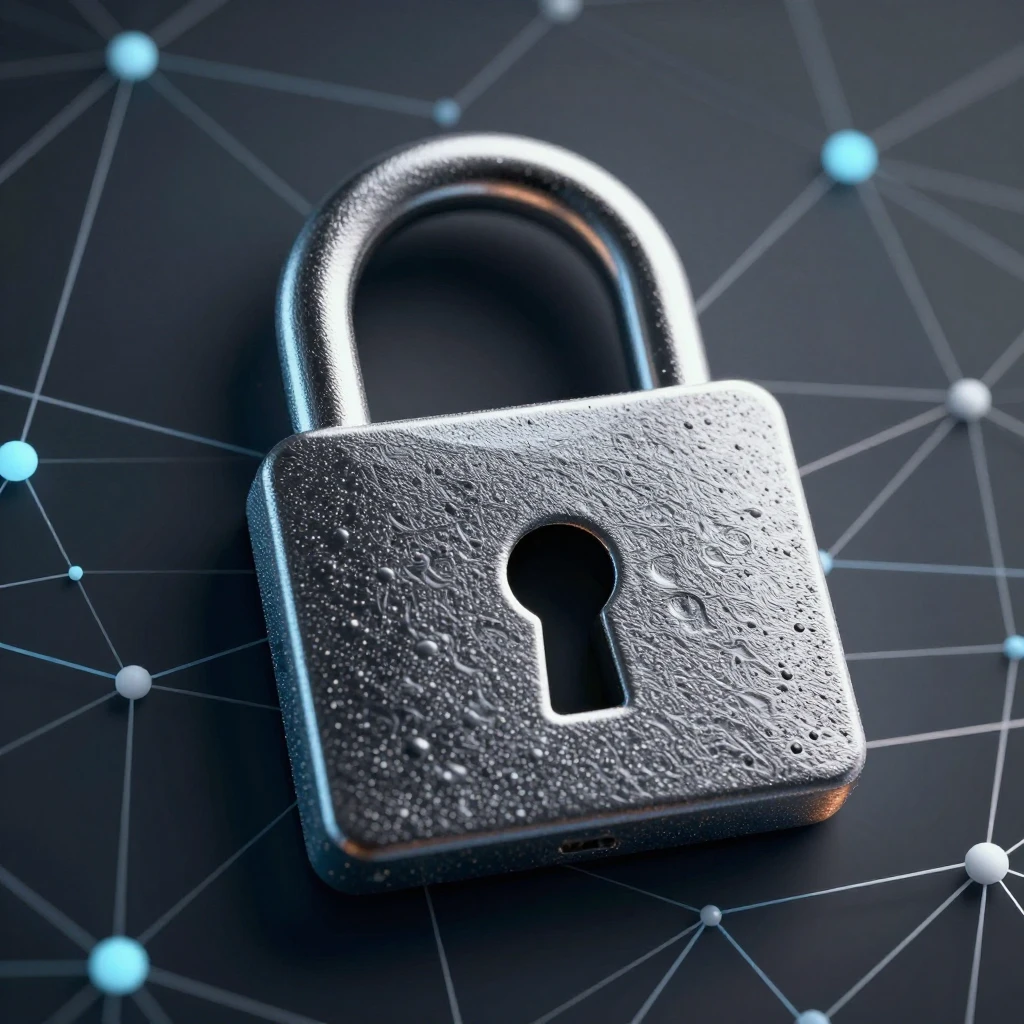
Safety research shouldn't stop at the license number. I always dig into independent review forums, check for consistent SSL encryption across every single page (not just the login screen, which is where a lot of players stop looking), and check how long the domain's actually been registered. A casino that popped up six months ago with zero track record deserves extra scrutiny — no matter how generous that welcome bonus looks.
Something I personally find useful is cross-referencing consumer advocacy and industry association resources before committing any funds. Sites like best bitcoin casino can be a genuinely helpful part of that due diligence, giving Canadian players another lens through which to evaluate credibility beyond whatever the casino's own marketing wants you to believe. The goal here is simple: don't let a slick landing page do all your thinking for you. Verify through channels that have no financial stake in your decision.
This is where Bitcoin casinos genuinely outshine their traditional counterparts, and it's not even close. While a bank wire withdrawal from a conventional online casino might take three to seven business days, a well-run crypto platform can process your payout in under an hour — sometimes within minutes once network confirmations clear. Fast. Really fast.
That said, speed isn't universal across the board. KYC checks, network congestion on the Bitcoin blockchain itself, and the casino's internal withdrawal review policies all play a role. If a site advertises 'instant withdrawals' but still demands days of manual verification before releasing funds, that's a red flag worth noting — and honestly, one of the more common bait-and-switch patterns I've run into.
Limits vary wildly from one operator to another. I've seen everything from a modest $20 minimum withdrawal to platforms requiring $100 before you can cash out at all. Maximum daily or weekly caps also differ — some casinos let high rollers withdraw several Bitcoin per day, others throttle you to smaller amounts regardless of your balance. Always check these numbers in the terms before signing up, especially if you're planning on playing with larger stakes.
Beyond the basics of safety and payout speed, a handful of features tend to separate the genuinely good platforms from the merely adequate ones:
I've made a few of these mistakes myself early on, so take it from experience: don't skip the terms and conditions, even when they're long and tedious and tempting to just scroll past. Wagering requirements on bonuses can be absurdly high, turning a 'free' $500 into something nearly impossible to actually withdraw. Avoid chasing unrealistic promotions that promise huge multipliers with little scrutiny attached — if it sounds too good to be true, it usually is. Steer clear of unregulated sites with no visible licensing information, and never get lazy about wallet security. Use hardware wallets or at minimum two-factor authentication, and never store large sums directly on a casino's platform longer than you have to.
Before committing your crypto to any platform, run through this quick checklist:
Choosing the best bitcoin casino in Canada in 2026 doesn't require luck. It requires a bit of patience and a willingness to look past the flashiest banners on the homepage. Do the homework once, and you'll save yourself a lot of headaches down the road.
 English
 French
 Spanish
 Russian
 Chinese (Simplified)
 Arabic
 German
 Italian